When looking for a Jeans OEM China partner, one of the first decisions you’ll face is choosing between the OEM and ODM manufacturing models. Both have distinct advantages, and the right choice depends on your brand’s design capabilities, budget, and speed-to-market requirements.
What is OEM (Original Equipment Manufacturer)?
In the OEM model, the brand provides the full technical package (Tech Pack), including sketches, measurements, fabric choices, and hardware specifications. The factory’s role is purely execution—turning your precise vision into a physical product.
Best for: Established brands with in-house design teams who want total control over every detail of their collection.
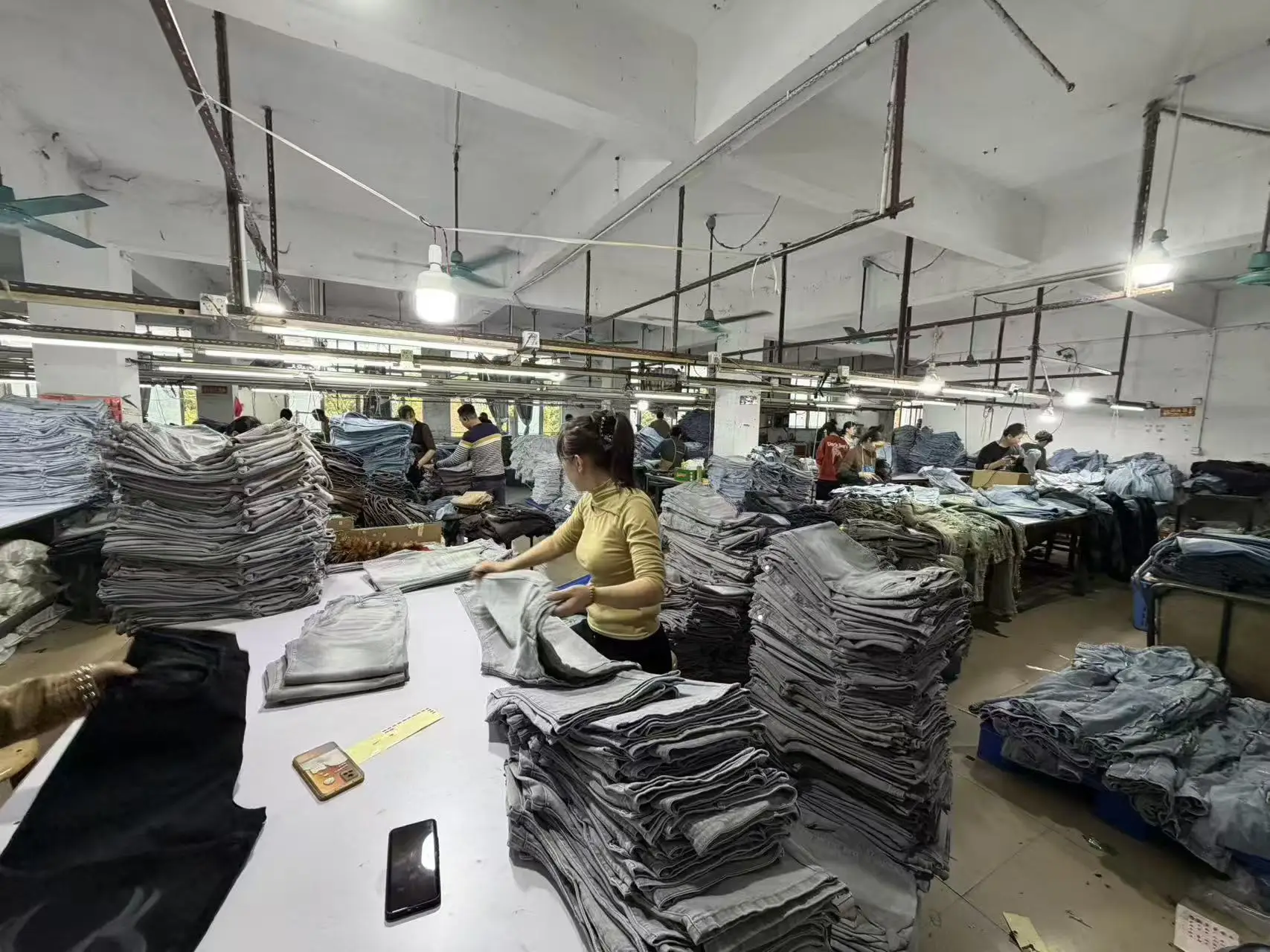
Professional quality control is vital regardless of whether you choose OEM or ODM.
What is ODM (Original Design Manufacturer)?
In the ODM model, the factory (Timber Forge) provides pre-developed styles or templates that you can customize with your own branding, labels, and minor design tweaks. This significantly reduces the time and cost spent on development.
Best for: Startups, boutique owners, and brands looking to quickly launch a collection based on proven, market-ready silhouettes.
Key Differences at a Glance
- Design Input: OEM is brand-driven; ODM is factory-supported.
- Development Cost: OEM is higher due to custom sampling; ODM is lower as patterns already exist.
- Speed to Market: ODM is typically faster, as the ‘R&D’ phase is already completed.
Why Timber Forge?
At Timber Forge, we offer the best of both worlds. Whether you need a full-service OEM partner to realize a unique architectural fit or an ODM partner to help you launch a private-label line with our small MOQ of 100 units, our Xintang-based workshop is ready to support your growth.
Ready to start your production journey? Contact us to discuss which model fits your business goals.
—
+8613535313470 | Email: 446976008@qq.com